

Telecom Tower Backup Power: Essentials for Reliable Connectivity
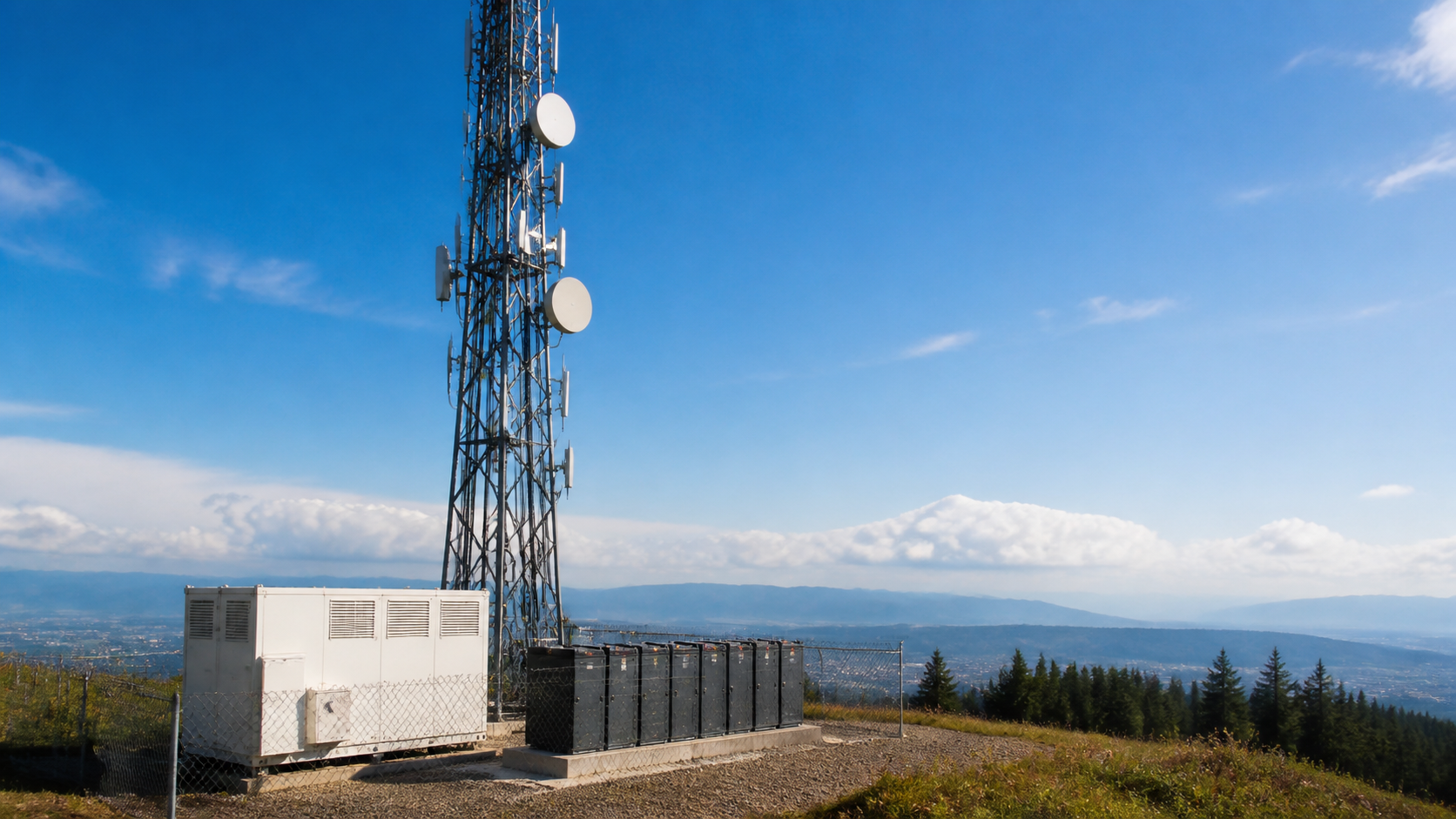
Why Backup Power Matters for Telecom Towers
Telecom towers are the backbone of South Africa’s mobile and internet connectivity. These towers, found from Johannesburg’s cityscape to rural KwaZulu-Natal, relay voice and data signals, keeping people connected for work, emergencies, and daily life.
However, with regular load-shedding and unpredictable power interruptions, especially in cities like Cape Town and Durban, maintaining uninterrupted service is a challenge. Backup power is essential to avoid dropped calls, data blackouts, and network downtime.
How Telecom Towers Are Powered
Telecom sites typically rely on grid electricity as their primary power source. Unfortunately, this isn’t always reliable. Towers may be located in remote areas or regions with frequent outages. To address this, most operators use a combination of:
- Mains (grid) electricity
- Diesel generators
- Battery backup systems (VRLA, lithium, etc.)
- Renewable energy (solar, sometimes wind)
Batteries are a key component, providing immediate backup when the grid fails and bridging the gap until generators start or power is restored.
The Role of Batteries in Backup Power
Why Batteries?
Batteries deliver instant backup, ensuring telecom equipment remains operational the moment grid power cuts out. This is crucial for:
- Maintaining network uptime
- Protecting sensitive equipment from power surges
- Reducing reliance on diesel (minimising costs and emissions)
Types of Batteries Used
South African telecom operators have several battery technologies to choose from:
- Valve-Regulated Lead Acid (VRLA) Batteries: Widely used due to reliability and cost-effectiveness. Types include AGM and Gel.
- Lithium Iron Phosphate (LiFePO4) Batteries: Increasingly popular for their long lifespan, lightweight design, and fast charging.
- Group 31 Batteries: Rugged, high-capacity batteries suited for commercial and telecom backup.
Each battery type has pros and cons. VRLA batteries are cost-effective but heavier and require replacement more often than lithium options. Lithium batteries have a higher upfront cost but offer a longer service life and better performance in demanding environments.
Key Factors When Choosing Backup Batteries
Selecting the right battery for a telecom tower depends on several factors:
1. Backup Duration
How long must the site run without grid power? This depends on the frequency and duration of expected outages. For example, during Stage 6 load-shedding, outages may last several hours.
2. Site Location and Accessibility
Remote sites may be harder to reach for maintenance. Longer-life batteries (like lithium) reduce service visits. Urban sites can often be serviced more frequently.
3. Temperature and Environmental Conditions
High temperatures (common in Limpopo or the North West) can shorten battery life, especially for traditional lead-acid units. Lithium batteries are more tolerant of temperature extremes.
4. Total Cost of Ownership
This includes the purchase price, installation, maintenance, and replacement intervals. While lithium batteries cost more upfront, they may be more cost-effective over several years due to longer service intervals.
5. Footprint and Weight
Some towers have space constraints. Compact, lightweight batteries (like Trion Lithium) are ideal for smaller enclosures or rooftop installations.
Best Practices for Reliable Backup Power
To ensure telecom towers stay connected no matter the circumstances, consider the following best practices:
Regular Maintenance
- Inspect batteries for signs of wear, swelling, or leakage.
- Test capacity and voltage regularly.
- Clean terminals and check for corrosion.
Monitoring Systems
Modern sites benefit from remote monitoring. Systems can alert operators to:
- Low battery voltage
- High temperatures
- Unusual discharge patterns
Hybrid Systems
Combining batteries with solar panels reduces reliance on generators and grid power. Solar-charged batteries are especially useful for off-grid or frequently load-shed sites.
Sizing for Your Load
Calculate total site load (in watts or amps) and ensure your battery bank is sized to provide the required runtime. Factor in future expansion: as networks grow and equipment is added, power demands may increase.
Trion Batteries for Telecom Backup
Trion Batteries supplies a range of European-manufactured batteries suitable for telecom backup across South Africa:
- Trion Green: Reliable lead-acid options for established sites.
- Trion Blue: Enhanced performance AGM/Gel batteries for demanding conditions.
- Trion Lithium: Long-life, high-efficiency lithium units for modern installations.
- Trion Group 31: Robust batteries for commercial and telecom applications.
All solutions are designed to handle local challenges, from load-shedding to extreme climate conditions. Whether you operate a single rural tower or manage a network of urban sites, Trion offers tailored advice and product support.
Conclusion
Keeping telecom towers connected during power outages is vital for South African businesses and communities. By understanding your site’s needs and choosing the right backup battery technology, you can ensure reliable connectivity through every load-shedding event.
Need help specifying the right backup batteries for your telecom sites? Request a quote from Trion Batteries and keep your network online.